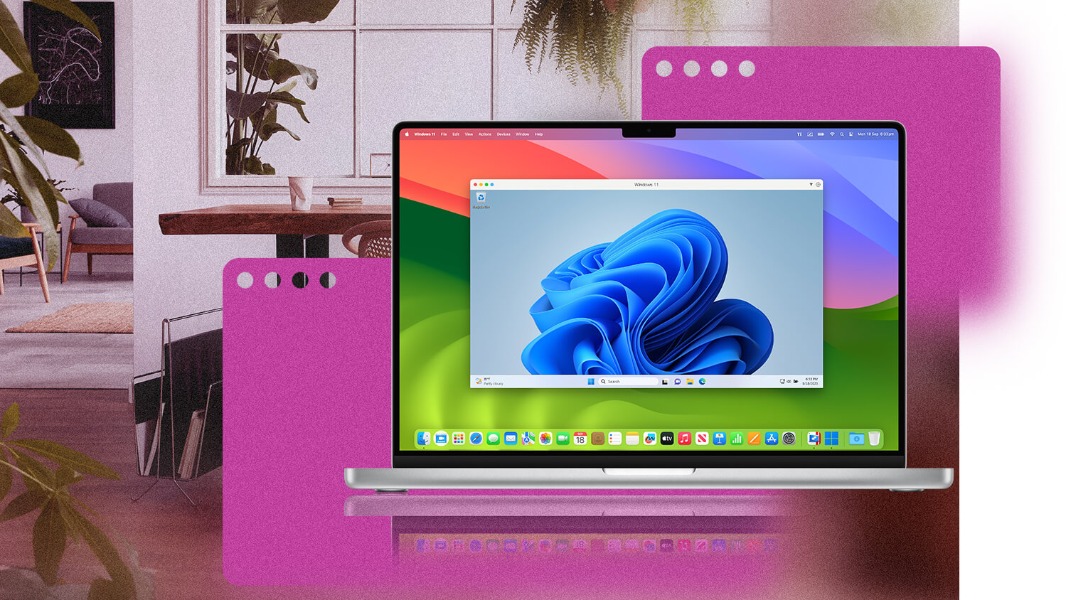
The just-released Parallels Desktop for Mac 20.3 is making macOS virtual machines easier to use on Apple Silicon Macs thanks to USB device support. Until now, macOS VMs running on Apple Silicon Macs couldn’t recognize any USB devices, but that’s finally changing on Macs running macOS Sequoia.
“Thanks to the adjustments introduced in Apple’s framework with macOS 15, USB passthrough is now a reality for macOS VMs on Apple silicon. With 20.3.0, you can connect a range of external USB devices directly to your macOS VM, unlocking new workflows for development, security testing, and beyond,” the company explained today.
Windows Intelligence In Your Inbox
Sign up for our new free newsletter to get three time-saving tips each Friday — and get free copies of Paul Thurrott’s Windows 11 and Windows 10 Field Guides (normally $9.99) as a special welcome gift!
“*” indicates required fields
At the moment, USB passthrough on macOS VMs doesn’t support audio devices and iPhones. However, this new USB device support should still be a very welcome change for app developers or IT admins needing to configure security keys.
For video creators and streamers, Parallels Desktop for Mac 20.3 adds support for using the OBS virtual camera feature inside a Windows virtual machine. For those unfamiliar, this feature allows users to share their OBS Studio scene with any applications that can make use of a webcam like Zoom or Microsoft Teams.
Lastly, today’s update for Parallels Desktop 20 fixes issues that were preventing users from importing x64 Linux virtual machines. It also enables using Touch ID instead of the Mac admin password to initiate a Parallels Desktop installation.